AT-HOME CARE / SCALP & HAIR
Thinning hair at home: gentle styling and temporary coverage.
Make your current routine more comfortable while separating cosmetic coverage from hair-loss treatment.
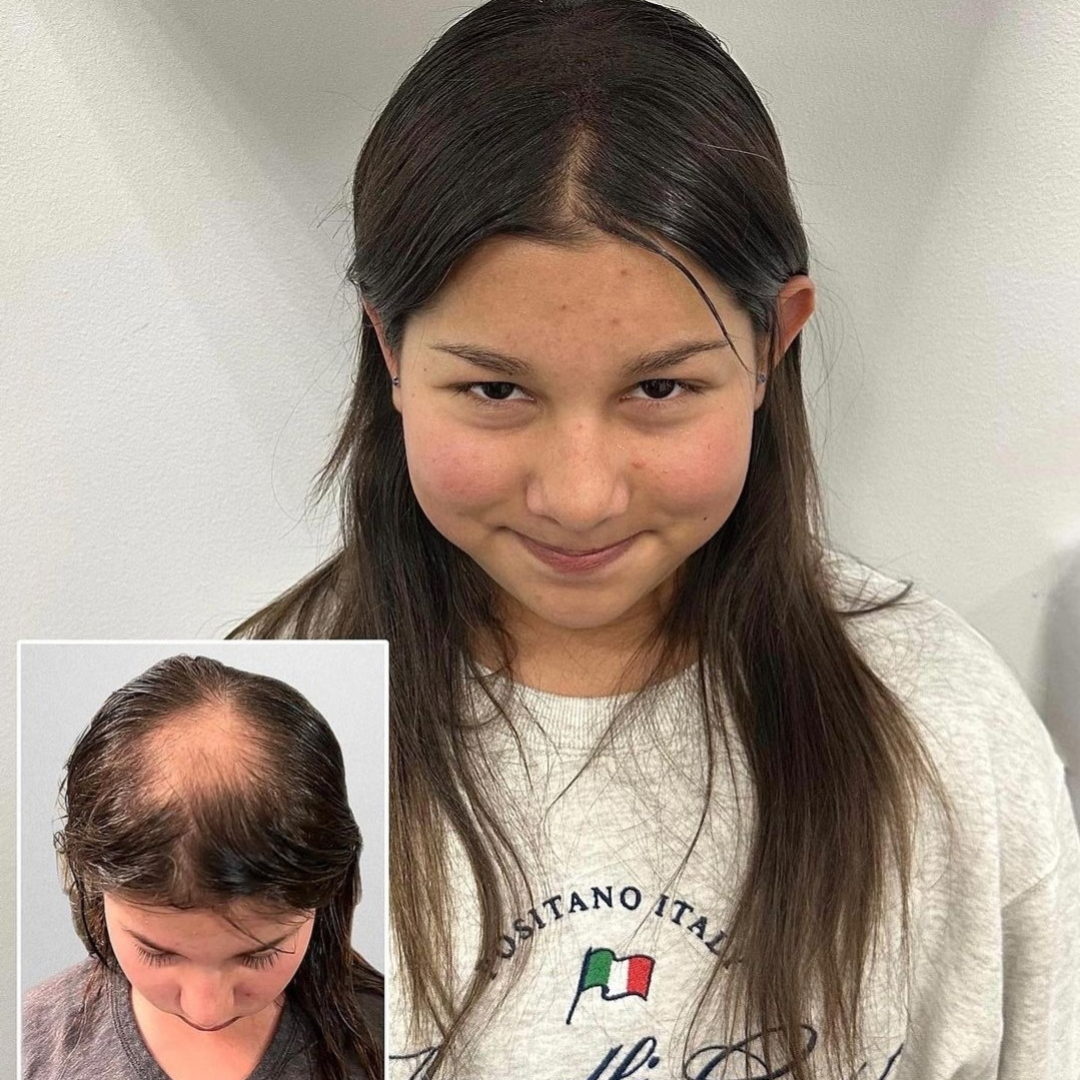
General education for everyday care and planning. For a fresh procedure, follow your practitioner’s individual aftercare instructions.
A widening part is a useful observation, not a diagnosis.
Note when you first noticed the change and whether it has been gradual or sudden. New or unexplained loss, discomfort or an inflamed scalp should be discussed with a healthcare professional. Do not stop a prescribed treatment to try a cosmetic approach without speaking with the prescriber.
Be gentle with the hair you have.
The American Academy of Dermatology: reducing hair damage recommends gentle hair care and reducing damaging practices. Avoid pulling styles tightly and treat wet hair carefully. Discuss an easy-to-maintain cut with your stylist rather than assuming you must hide every visible area.
At home, compare the way you normally part and style your hair in ordinary light. Make a note of the routine you would like to keep. You can change your styling for comfort or preference without treating it as a test you need to pass.
Consider what temporary coverage can and cannot do.
Hair fibres or scalp concealers may be an optional cosmetic tool when used on intact skin according to their labels. Check colour and transfer before relying on a product for an event. Stop if it irritates your scalp. A removable product does not diagnose hair loss or replace medical treatment.
For a consultation, ask how to present your hair and whether to leave concealers out that day. Clear photographs without coverage help show where the part, crown and surrounding hair need to be assessed. Never apply these products to fresh SMP unless the practitioner has cleared their use.
Where SMP density fits.
Our SMP for thinning hair guide explains the visual aim: reducing the contrast of visible scalp among existing hairs. Cleveland Clinic: scalp micropigmentation distinguishes that pigment effect from regrowing hair. The amount of existing hair and your preferred length are part of the conversation.
For the best approach to your goals, talk with our professionals in Calgary about suitability, a realistic visual effect and ongoing maintenance. Bring questions about current hair-loss care so medical treatment and cosmetic decisions can be considered clearly.
Published guidance
The sources below support the general safety and care information in this article. They do not endorse this clinic or predict an individual treatment result.